
Understanding the psychology of casino players What drives their decisions
The Allure of Risk and Reward
Casino gaming is fundamentally rooted in the concept of risk versus reward, an element that significantly influences player decisions. This allure can often be traced back to a player’s personal experiences and psychological makeup. For some, the thrill of potentially winning big creates an irresistible draw to games like slots or poker, where the stakes can shift dramatically within moments. This sense of excitement, heightened by the possibility of a life-changing win, compels many to take chances they might avoid in other life scenarios. Notably, platforms like https://www.walkscore.com/people/217568100142/anetty-bren can help assess the impact of location on such decisions.

The psychological principle of variable reinforcement plays a critical role in gambling behavior. Players are often rewarded sporadically, leading to an addictive loop where the anticipation of winning stimulates further play. This unpredictability heightens the excitement and keeps players returning, as the thrill of a potential reward outweighs the fear of loss. Understanding this cycle helps clarify why many players find it challenging to walk away, even when they are on a losing streak.
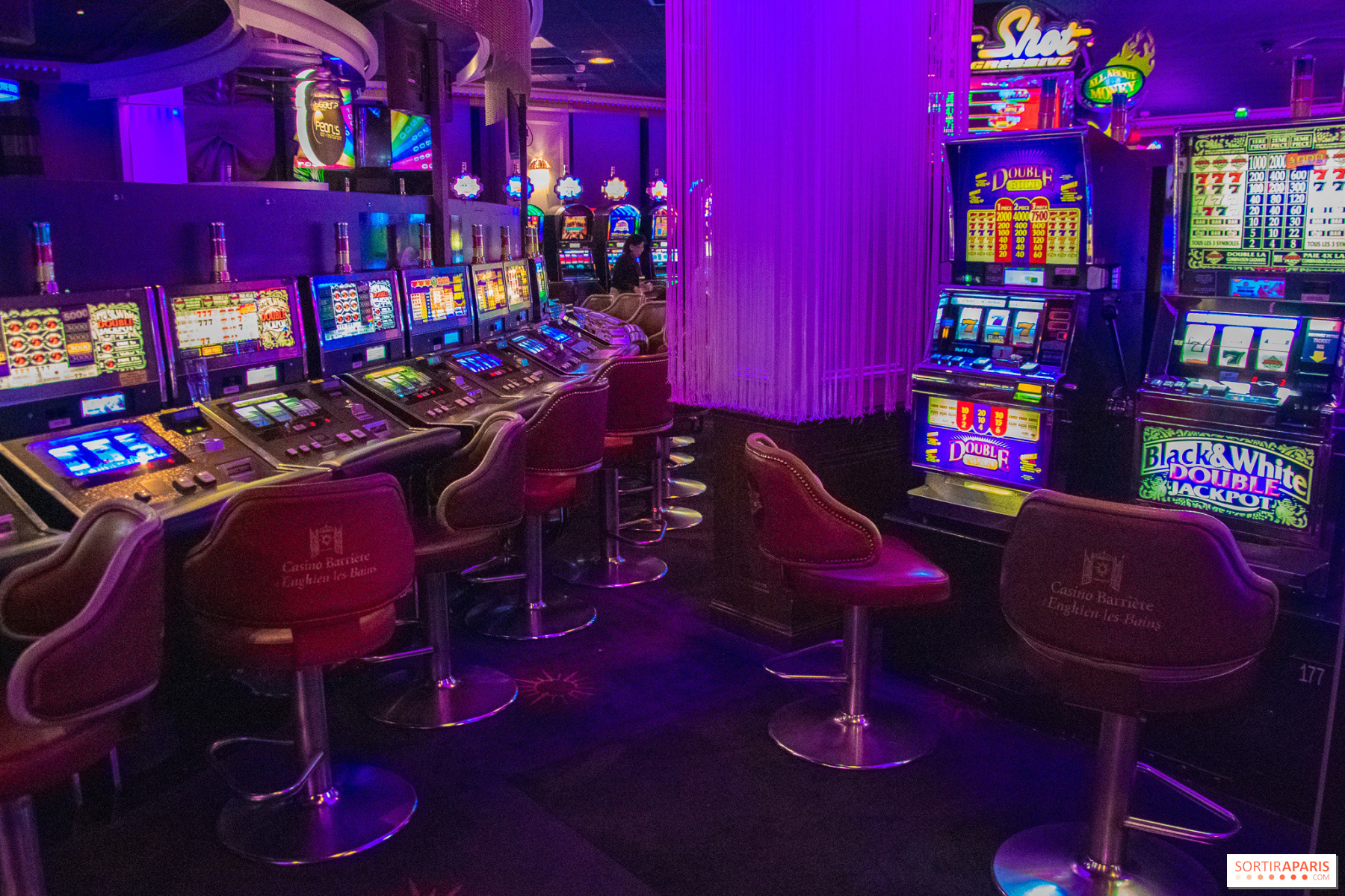
Moreover, the atmosphere within casinos further enhances this attraction. Bright lights, engaging sounds, and the presence of other players can create a social environment that feels energizing and euphoric. Casinos are designed to immerse players in a world that feels removed from reality, where the only focus is on the game and the next win. This deliberate design taps into the human psyche, driving players to make decisions they might otherwise reconsider outside of the gaming environment.
Emotional Influence on Decision-Making
Emotions are an influential factor in the decision-making process of casino players. When players experience excitement or joy, they are more likely to take risks, often leading to impulsive betting behavior. Similarly, when feelings of stress or sadness arise, players may seek out the casino as a form of escapism, hoping to find relief through gambling. This emotional rollercoaster can cloud judgment, making it difficult for individuals to act rationally. Additionally, the connection between gambling and Pin-Up Africa touches on how cultural ideologies can influence these emotional states.
The phenomenon of “loss chasing” is a perfect illustration of how emotions can dictate behavior. After experiencing a loss, players may feel compelled to continue playing in hopes of recouping their losses. This often leads to further financial strain, as the desire to win back what has been lost can overshadow logical thinking. Many players find themselves trapped in a cycle of chasing losses, driven by the emotional highs and lows that gambling often entails.
Additionally, the role of social influence cannot be overlooked. Players may be swayed by the attitudes and behaviors of those around them, leading to herd behavior. This phenomenon is particularly evident in group settings, where excitement and enthusiasm can quickly escalate, encouraging individuals to take risks they might avoid if playing alone. Understanding these emotional triggers can provide crucial insights into the decisions made by casino players.
The Impact of Cognitive Biases
Cognitive biases play a significant role in how casino players interpret their gambling experiences and make decisions. One common bias is the “gambler’s fallacy,” where players believe that past outcomes influence future results. For example, after several losses, a player might feel that a win is “due,” leading to increased betting. This misunderstanding of probability can significantly affect decision-making and ultimately results in greater losses. In this context, some myths around gambling, often perpetuated by popular narratives, can be debunked with a clearer understanding of these biases.
Another prevalent cognitive bias is the illusion of control, where players believe they have more influence over random events than they actually do. This is especially common in skill-based games like poker, where players may attribute their successes to skill rather than chance. This false sense of control can encourage further gambling, as players feel empowered to make decisions that they believe will enhance their chances of winning.
Moreover, confirmation bias may lead players to seek out information that supports their beliefs about winning or losing while disregarding contradictory evidence. This means that a player might only remember their wins and ignore their losses, which can perpetuate the belief that they are on a winning streak or that they will eventually hit a jackpot. Understanding these cognitive biases can illuminate why players often make choices that seem irrational to outsiders.
The Role of Environment and Design
The physical environment of a casino plays a critical role in shaping player behavior. From the layout of gaming floors to the sounds and lighting used, every aspect is designed to encourage spending and prolong engagement. Casinos often use open layouts that minimize barriers between players and games, making it easy for individuals to move from one game to another without hesitation. This design invites players to continue playing, even when they might initially have intended to leave.
Moreover, the use of sensory stimuli—such as bright colors, loud noises, and enticing aromas—creates an environment that is both exciting and disorienting. These elements can lead to an altered state of consciousness, making players more susceptible to impulsive decisions. For instance, the sound of coins dropping or the excitement of other players winning can trigger a rush that encourages additional betting, often without consideration of the financial implications.
Additionally, the availability of complimentary drinks and services in casinos can further exacerbate impulsive behavior. Players may feel more relaxed and less inhibited while drinking, which can lead to riskier gambling choices. Understanding how the casino environment influences behavior is essential for grasping the psychology of players and the decisions they make while gambling.
Exploring Casino Culture and Identity
Casino culture plays a significant role in shaping the identity and behavior of players. For many, gambling is not just a hobby but a part of their lifestyle and social identity. People often associate themselves with the culture of high stakes, exclusivity, and camaraderie that casinos promote. This sense of belonging can affect decision-making, as players may feel pressure to conform to the behaviors and attitudes of their peers.
The language used within casinos, such as “hitting it big” or “going bust,” fosters a collective identity among players. This cultural vernacular can create an environment where certain behaviors are normalized and even celebrated. For example, players may engage in superstitions or rituals, believing that they can influence luck. These shared beliefs and practices contribute to a community atmosphere that drives engagement and gambling decisions.
Moreover, the interplay between personal identity and casino culture can lead to a blurred line between responsible gambling and addiction. As individuals immerse themselves in this lifestyle, it can become increasingly challenging to recognize the distinction between entertainment and excessive behavior. By understanding casino culture, we can gain deeper insights into the motivations that drive players’ decisions and the impact on their lives.